
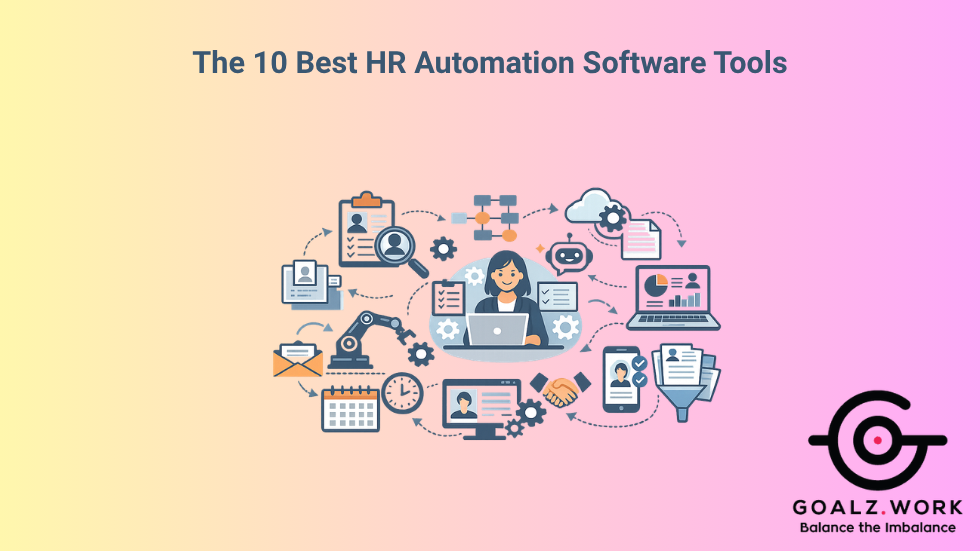
In 2026, HR is no longer just about managing employees—it’s about building intelligent, automated, and data-driven people operations. From recruitment and onboarding to payroll and performance management, modern HR teams are leveraging automation to eliminate repetitive tasks, improve accuracy, and enhance employee experiences.
With AI, workflow automation, and intelligent analytics becoming mainstream, HR software has evolved into a strategic business enabler. In fact, most organizations now rely on HR automation tools to streamline operations, reduce costs, and scale efficiently.
In this article, we explore the top 10 HR automation software tools in 2026, starting with a powerful new entrant—Goalz.work—that is redefining how businesses approach HR workflows and productivity.
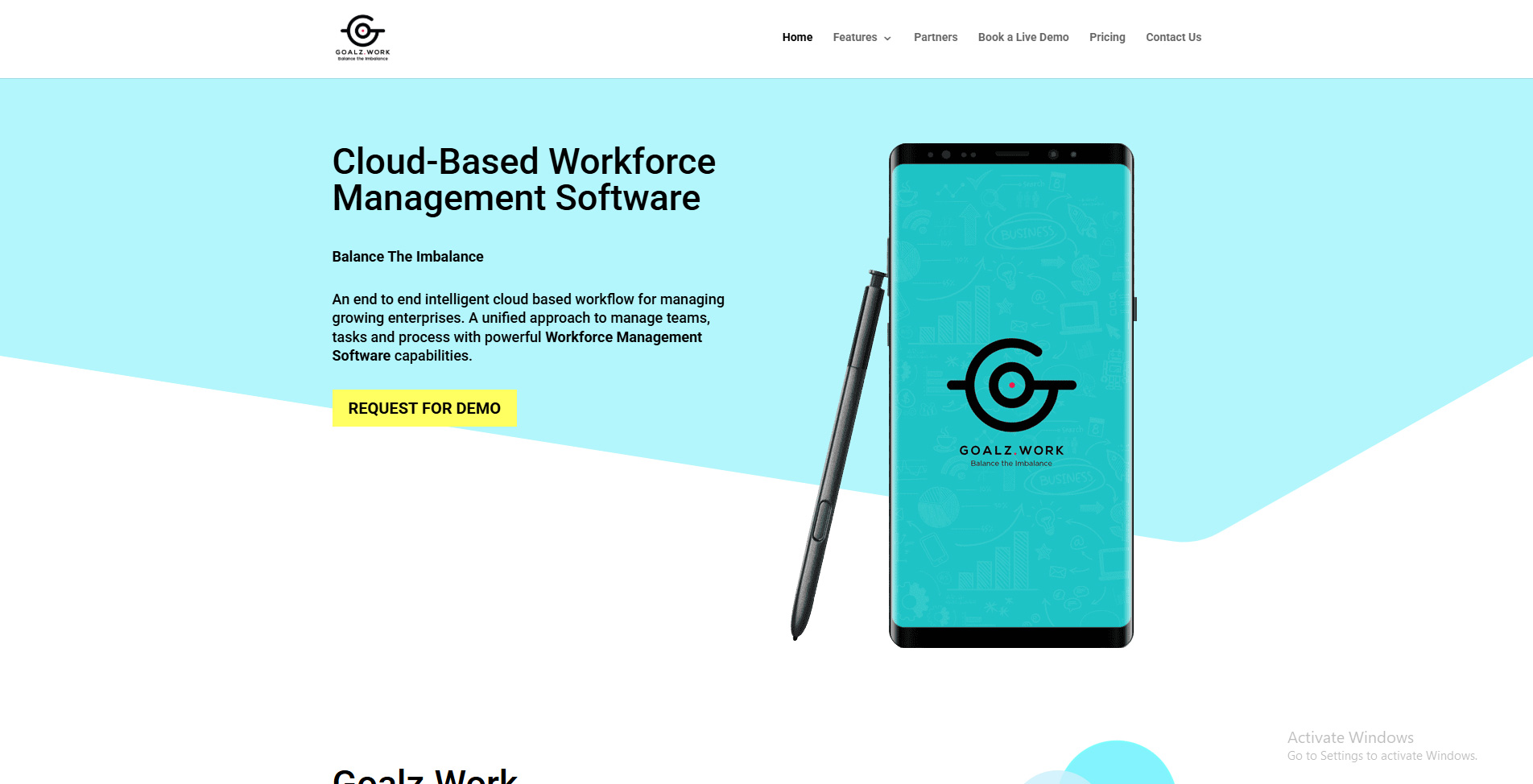 Best for: AI-powered workflow automation, productivity tracking, and performance-driven HR
Goalz.work takes the top spot in 2026 as one of the most innovative HR automation platforms designed for modern businesses. Unlike traditional HRMS tools, Goalz focuses on goal-driven workforce management, combining AI automation with productivity insights.
Best for: AI-powered workflow automation, productivity tracking, and performance-driven HR
Goalz.work takes the top spot in 2026 as one of the most innovative HR automation platforms designed for modern businesses. Unlike traditional HRMS tools, Goalz focuses on goal-driven workforce management, combining AI automation with productivity insights.
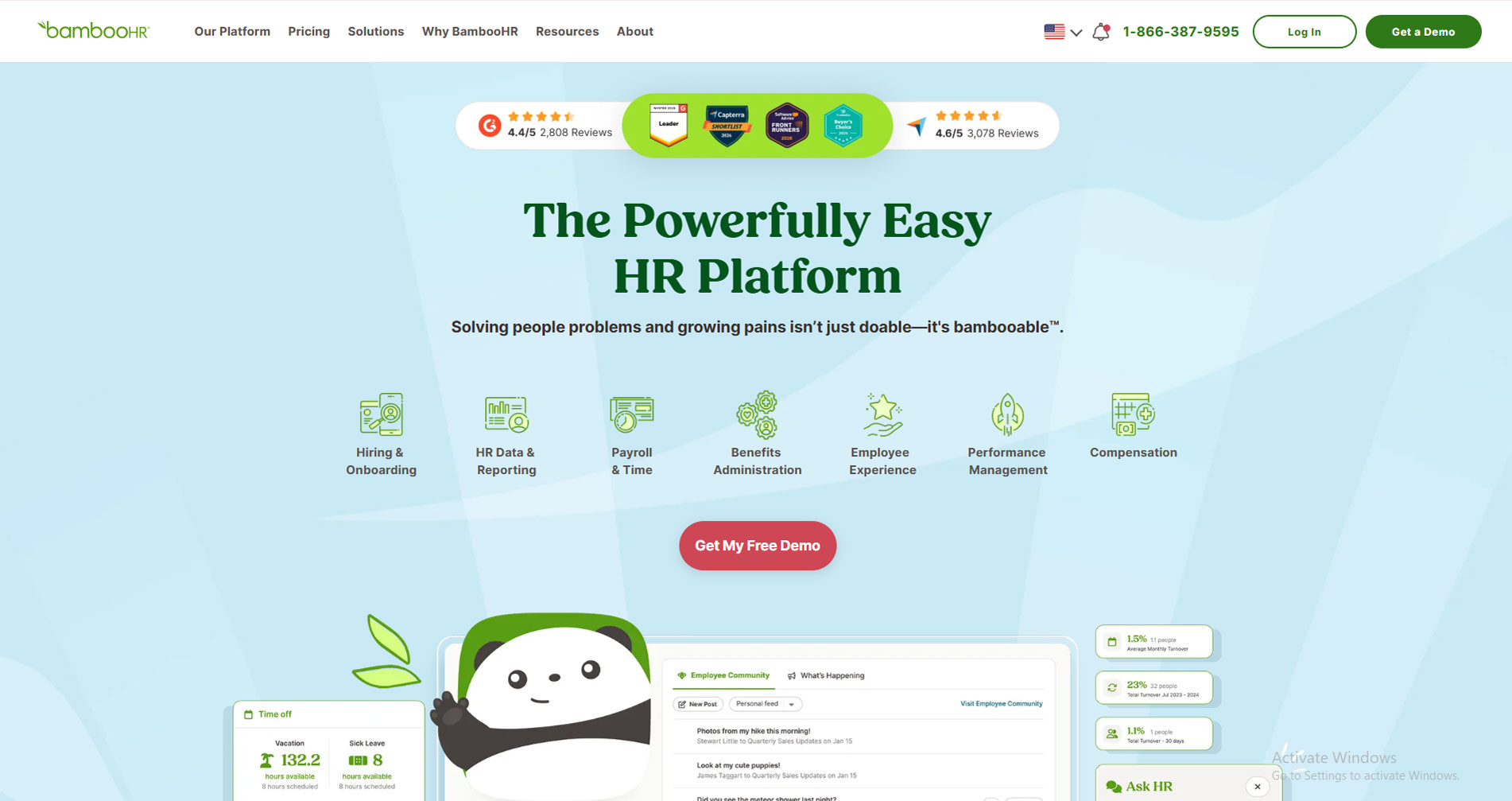 Best for: SMBs needing a complete HR system
BambooHR remains one of the most popular HR platforms due to its simplicity and comprehensive feature set. It offers everything from employee data management to onboarding and performance tracking.
It is widely recognized for its ease of use, strong reporting, and integrated HR features.
Best for: SMBs needing a complete HR system
BambooHR remains one of the most popular HR platforms due to its simplicity and comprehensive feature set. It offers everything from employee data management to onboarding and performance tracking.
It is widely recognized for its ease of use, strong reporting, and integrated HR features.
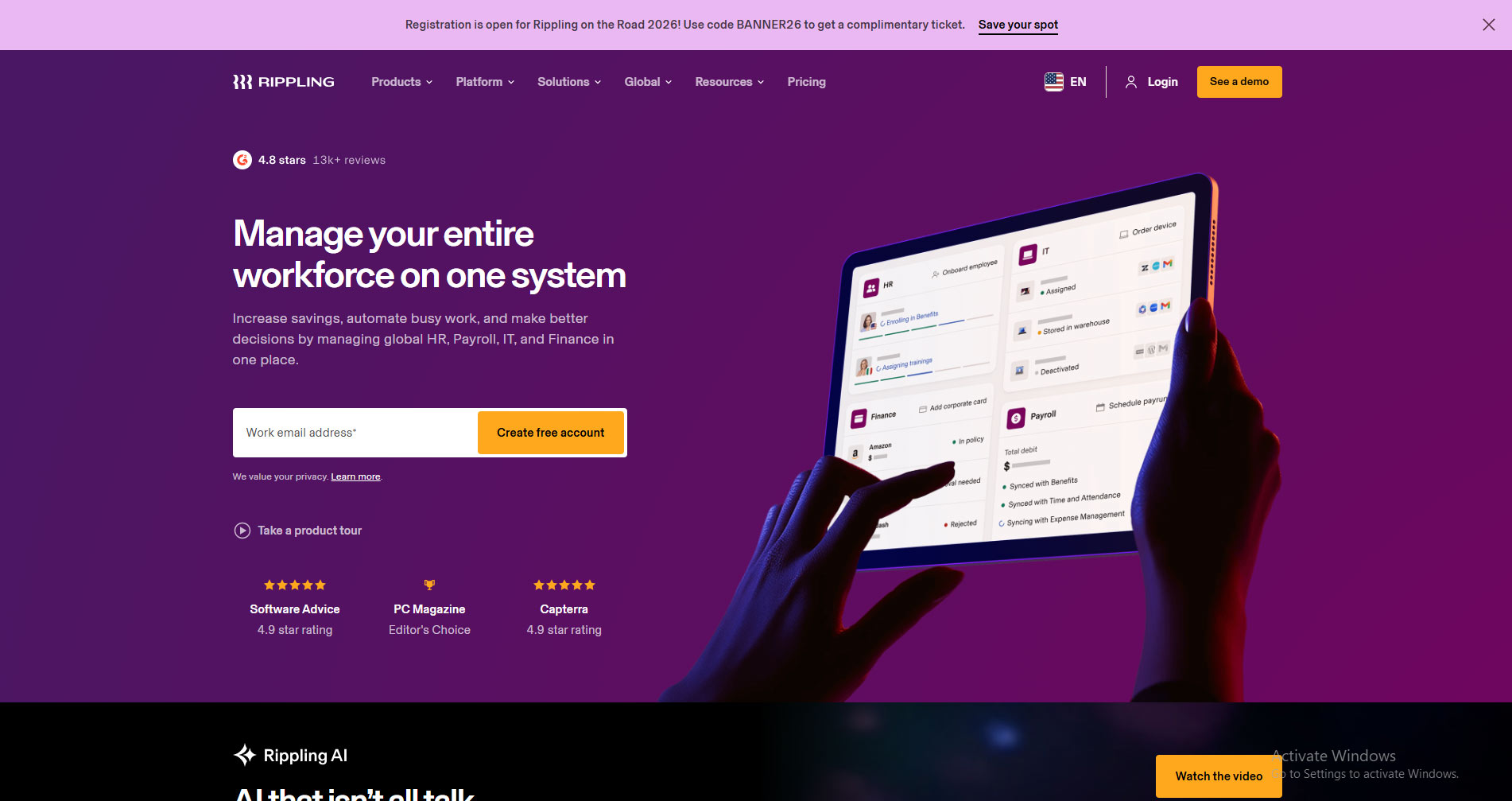 Best for: Businesses wanting a single system for HR + IT + finance
Rippling is a powerful platform that connects HR, payroll, and IT systems into one unified workflow. It enables automation across departments, reducing manual effort significantly.
Best for: Businesses wanting a single system for HR + IT + finance
Rippling is a powerful platform that connects HR, payroll, and IT systems into one unified workflow. It enables automation across departments, reducing manual effort significantly.
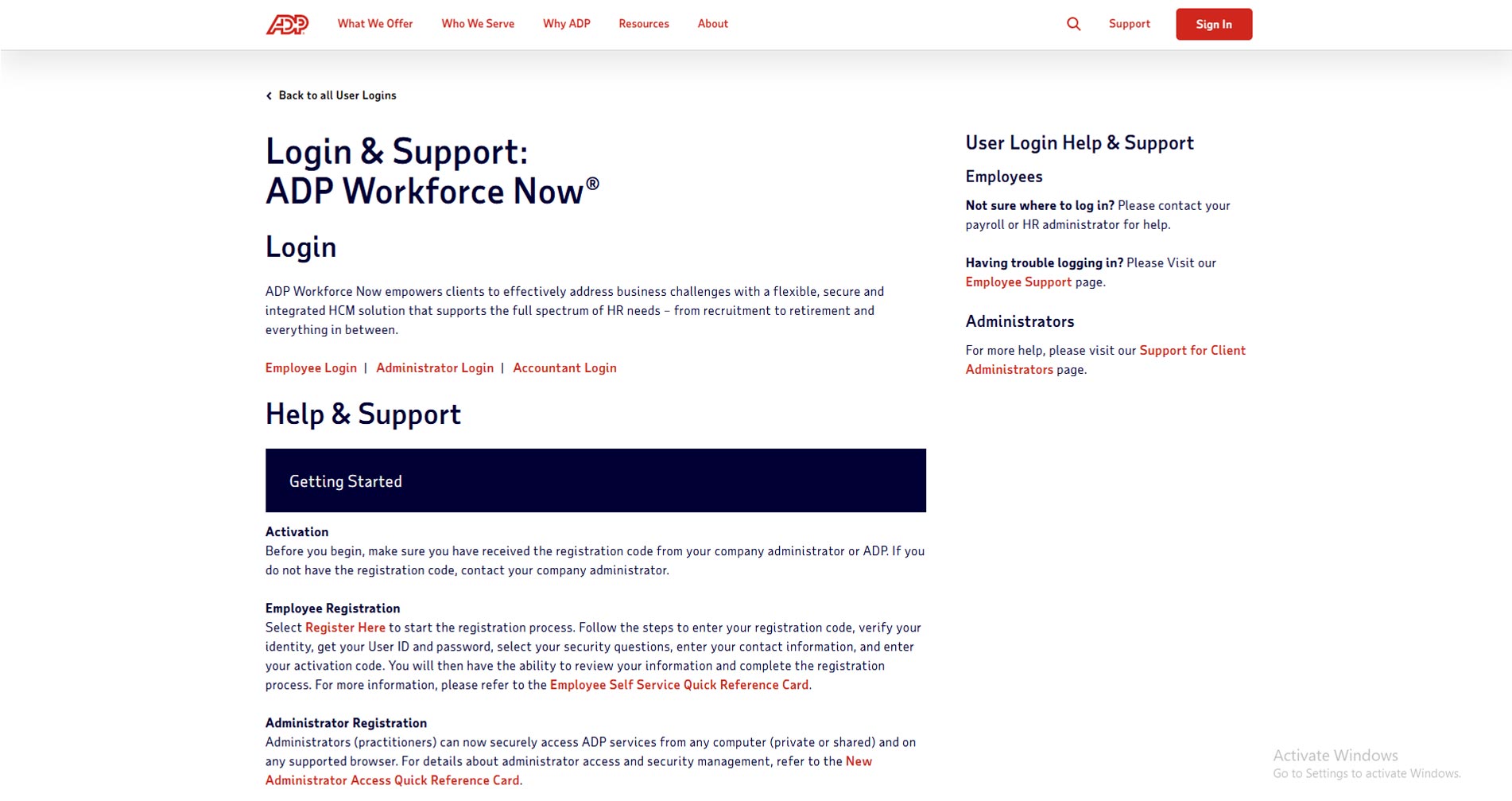 Best for: Large enterprises with complex HR needs
ADP Workforce Now is a robust platform known for its reliability in payroll, compliance, and HR automation. It helps organizations automate routine HR processes while maintaining compliance.
Best for: Large enterprises with complex HR needs
ADP Workforce Now is a robust platform known for its reliability in payroll, compliance, and HR automation. It helps organizations automate routine HR processes while maintaining compliance.
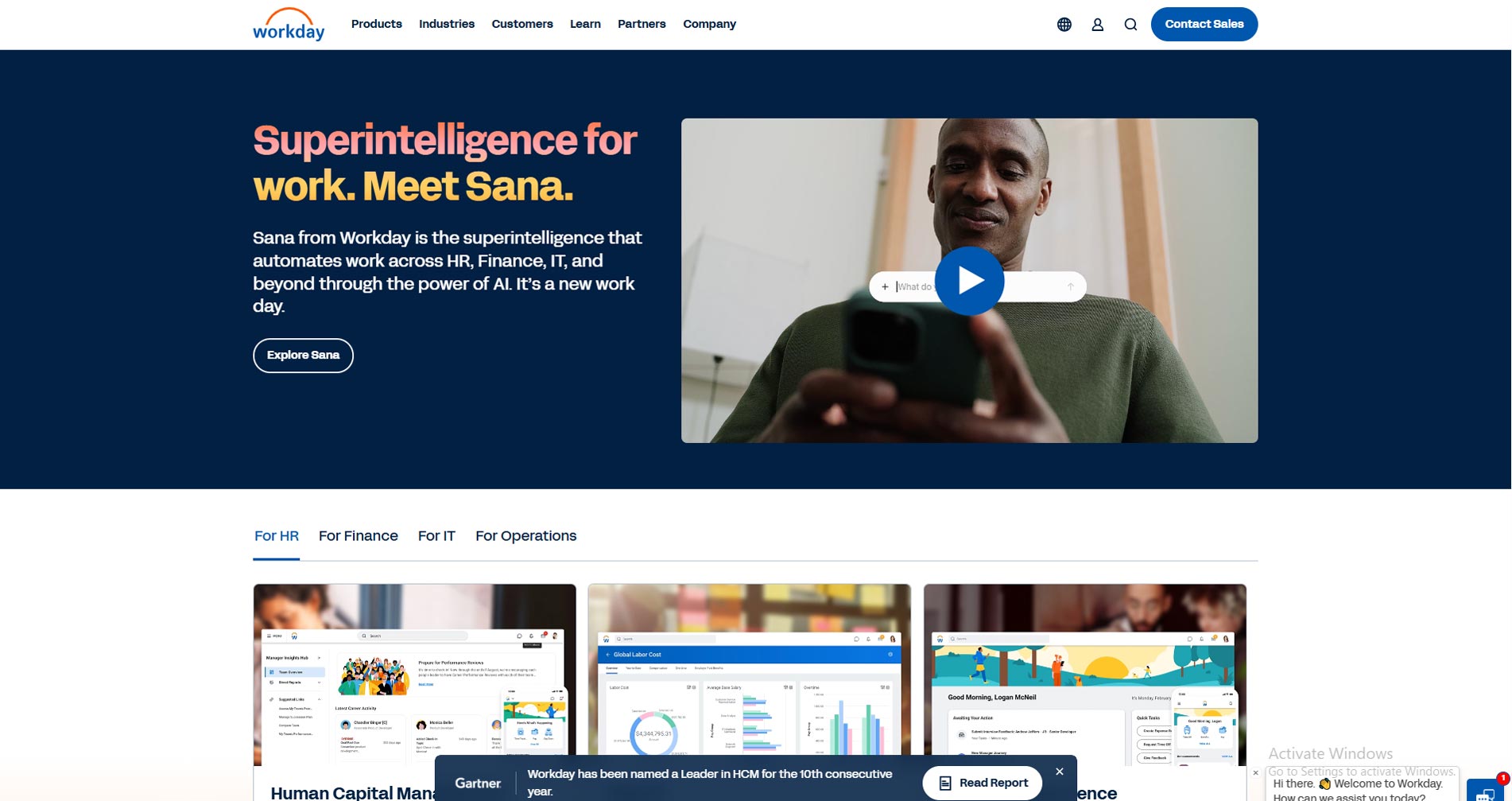 Best for: Large organizations needing analytics-driven HR
Workday is a leader in enterprise HR software, offering advanced analytics, planning tools, and automation features.
Best for: Large organizations needing analytics-driven HR
Workday is a leader in enterprise HR software, offering advanced analytics, planning tools, and automation features.
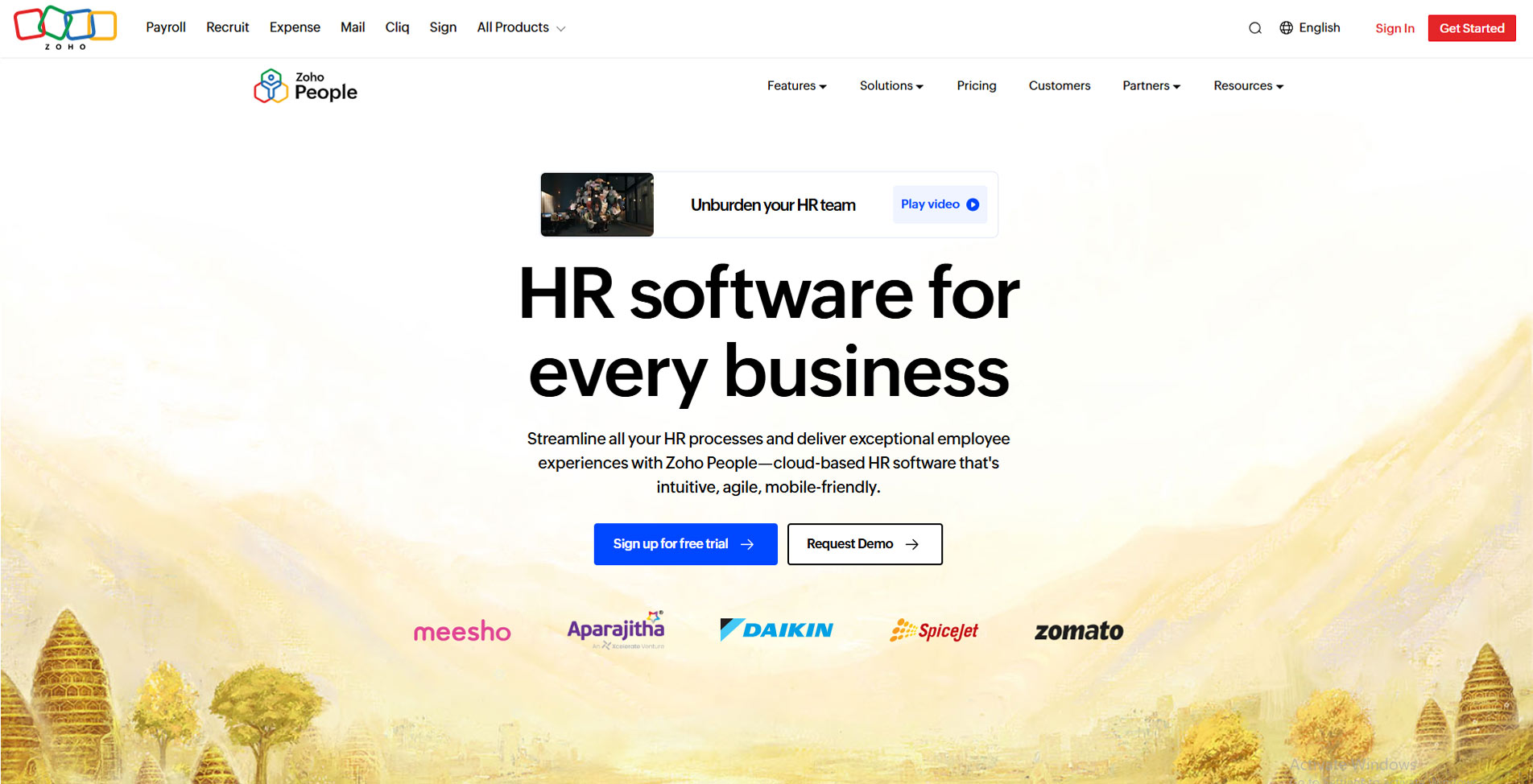 Best for: Small to mid-sized businesses
Zoho People is a flexible and affordable HR automation tool, especially popular in India and emerging markets.
Best for: Small to mid-sized businesses
Zoho People is a flexible and affordable HR automation tool, especially popular in India and emerging markets.
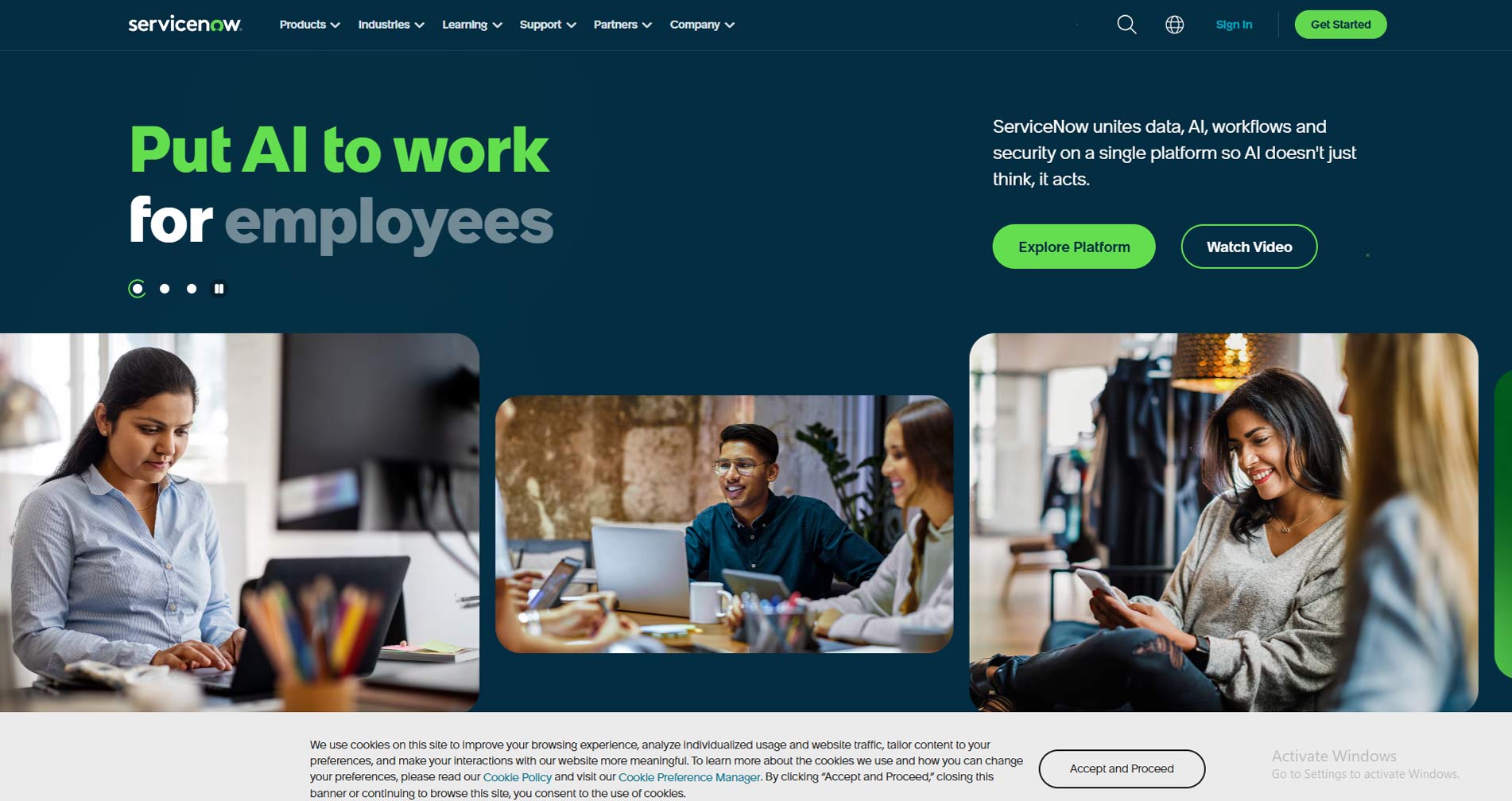 Best for: HR service management and case handling
ServiceNow transforms HR operations by automating workflows and employee service requests.
Best for: HR service management and case handling
ServiceNow transforms HR operations by automating workflows and employee service requests.
 Best for: AI-powered employee support and automation
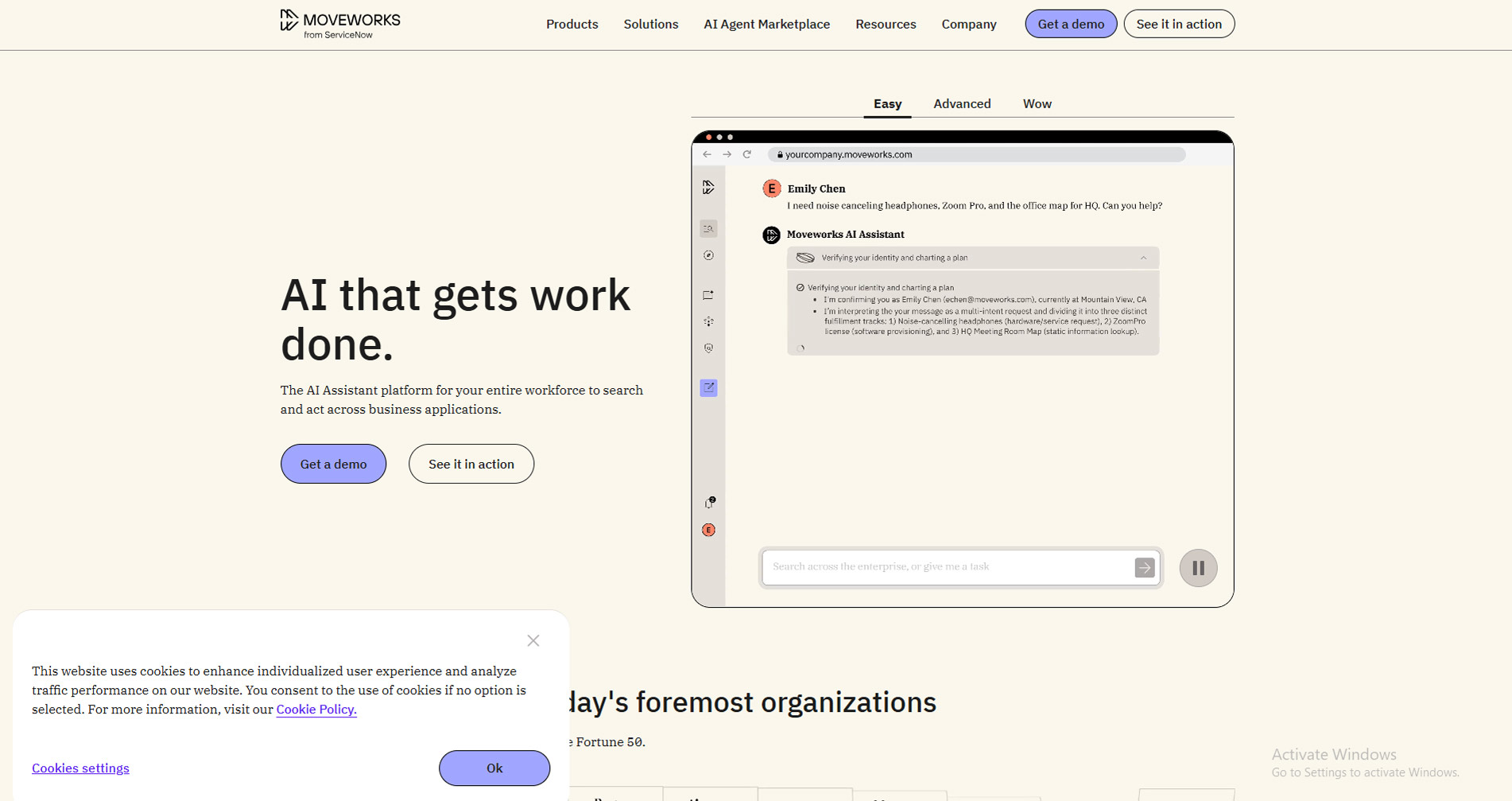
Moveworks uses conversational AI to automate HR support tasks such as answering employee queries and handling requests.
Best for: AI-powered employee support and automation
Moveworks uses conversational AI to automate HR support tasks such as answering employee queries and handling requests.
 Best for: Connecting HR tools and automating workflows
Zapier is not a traditional HR tool but plays a crucial role in automating HR workflows by connecting different apps.
Best for: Connecting HR tools and automating workflows
Zapier is not a traditional HR tool but plays a crucial role in automating HR workflows by connecting different apps.
 Best for: Hiring and recruitment workflows
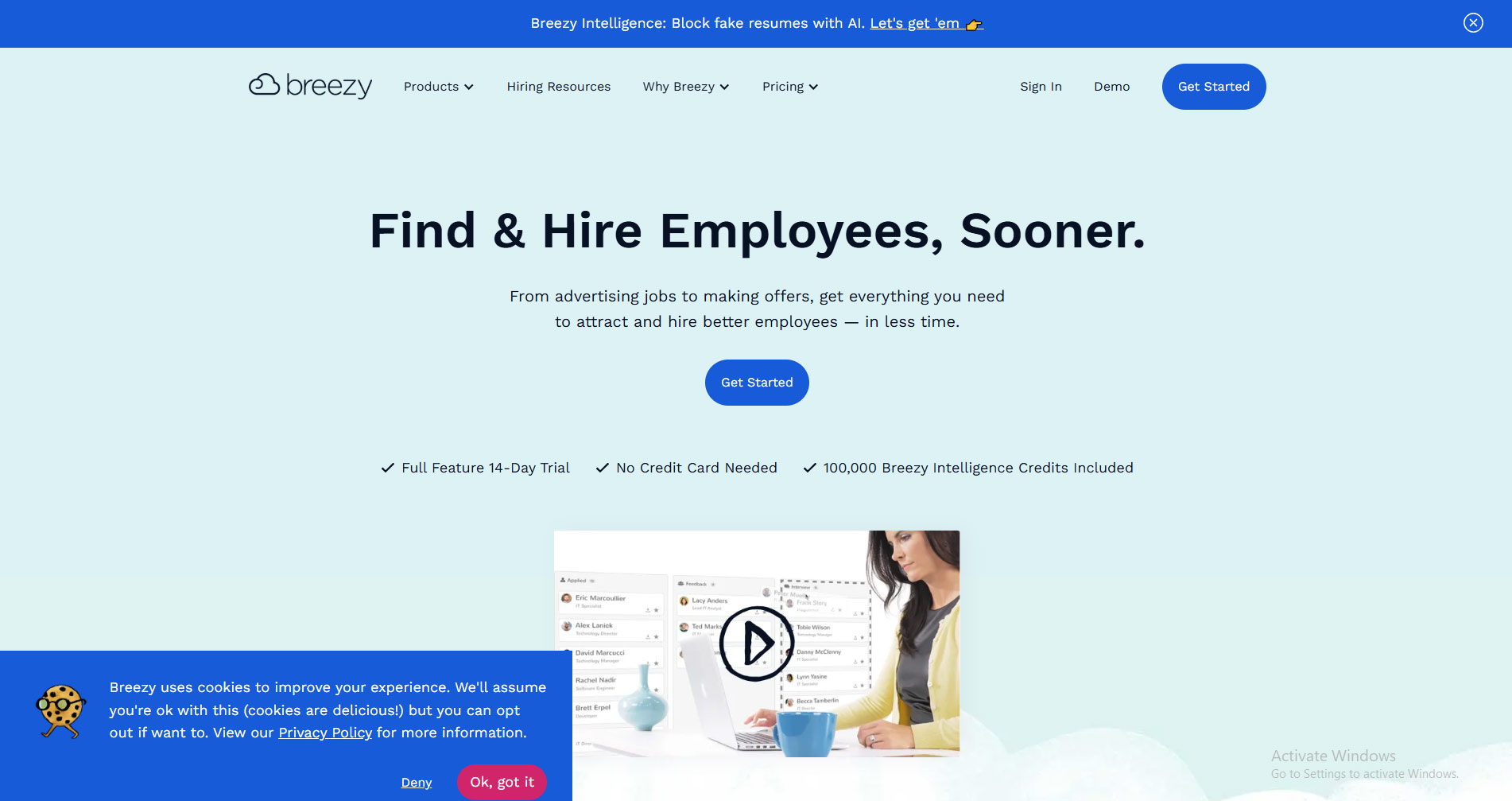
Breezy HR focuses on automating recruitment processes, from candidate sourcing to interview scheduling.
Best for: Hiring and recruitment workflows
Breezy HR focuses on automating recruitment processes, from candidate sourcing to interview scheduling.
1. Goalz.work – The Smart AI-Driven HR Automation Platform
Best for: AI-powered workflow automation, productivity tracking, and performance-driven HR
Goalz.work takes the top spot in 2026 as one of the most innovative HR automation platforms designed for modern businesses. Unlike traditional HRMS tools, Goalz focuses on goal-driven workforce management, combining AI automation with productivity insights.
Key Features
- AI-powered workflow automation across HR operations
- Goal tracking and performance alignment
- Smart task management and employee productivity insights
- Automated reminders, reporting, and progress tracking
- Seamless integration with business tools
Why It Stands Out
Goalz.work is not just an HR tool—it’s a work intelligence platform. It bridges the gap between HR, operations, and performance by aligning employee goals with business outcomes. In 2026, companies are shifting from static HR systems to dynamic, performance-oriented platforms—and Goalz.work leads this transformation.Best Use Case
- Startups and growing companies
- Performance-driven organizations
- Teams looking for productivity + HR in one platform
2. BambooHR – Best All-in-One HR Platform
Best for: SMBs needing a complete HR system
BambooHR remains one of the most popular HR platforms due to its simplicity and comprehensive feature set. It offers everything from employee data management to onboarding and performance tracking.
It is widely recognized for its ease of use, strong reporting, and integrated HR features.
Key Features
- Employee records management
- Onboarding workflows
- Performance tracking
- Time-off management
Why It Stands Out
BambooHR strikes the perfect balance between functionality and usability, making it ideal for growing businesses.3. Rippling – Best for Unified HR, IT, and Payroll
Best for: Businesses wanting a single system for HR + IT + finance
Rippling is a powerful platform that connects HR, payroll, and IT systems into one unified workflow. It enables automation across departments, reducing manual effort significantly.
Key Features
- Workflow automation across HR and IT
- Payroll and compliance management
- Device and app provisioning
- Employee lifecycle automation
Why It Stands Out
Rippling’s ability to automate cross-functional workflows makes it a top choice for scaling companies.4. ADP Workforce Now – Best for Enterprise HR Automation
Best for: Large enterprises with complex HR needs
ADP Workforce Now is a robust platform known for its reliability in payroll, compliance, and HR automation. It helps organizations automate routine HR processes while maintaining compliance.
Key Features
- Payroll automation
- Benefits administration
- Employee self-service
- Compliance management
Why It Stands Out
ADP is a trusted enterprise solution with strong automation capabilities and scalability.5. Workday – Best for Enterprise Workforce Planning
Best for: Large organizations needing analytics-driven HR
Workday is a leader in enterprise HR software, offering advanced analytics, planning tools, and automation features.
Key Features
- Workforce analytics
- Talent management
- Financial integration
- AI-driven insights
Why It Stands Out
Workday provides deep insights and automation capabilities, making it ideal for large enterprises.6. Zoho People – Best for Cost-Effective HR Automation
Best for: Small to mid-sized businesses
Zoho People is a flexible and affordable HR automation tool, especially popular in India and emerging markets.
Key Features
- Attendance and time tracking
- Performance management
- Workflow automation
- Integration with Zoho ecosystem
Why It Stands Out
Its affordability and scalability make it a strong choice for SMEs.7. ServiceNow HR Service Delivery – Best for Workflow Automation
Best for: HR service management and case handling
ServiceNow transforms HR operations by automating workflows and employee service requests.
Key Features
- Case management
- Workflow automation
- Employee service portals
- Knowledge management
Why It Stands Out
It excels in enterprise-grade workflow automation and HR service delivery.8. Moveworks – Best AI HR Assistant
Best for: AI-powered employee support and automation
Moveworks uses conversational AI to automate HR support tasks such as answering employee queries and handling requests.
Key Features
- AI chatbot for HR
- Automated ticket resolution
- Workflow automation
- Employee support automation
Why It Stands Out
It brings agentic AI into HR, enabling autonomous task handling.9. Zapier – Best for HR Workflow Automation Integration
Best for: Connecting HR tools and automating workflows
Zapier is not a traditional HR tool but plays a crucial role in automating HR workflows by connecting different apps.
Key Features
- Workflow automation across apps
- Integration with HR systems
- Trigger-based automation
- No-code automation
Why It Stands Out
Zapier enables seamless automation across multiple HR tools, making it highly versatile.10. Breezy HR – Best for Recruitment Automation
Best for: Hiring and recruitment workflows
Breezy HR focuses on automating recruitment processes, from candidate sourcing to interview scheduling.
Key Features
- Applicant tracking system (ATS)
- Automated communication
- Interview scheduling
- Candidate pipeline management
Why It Stands Out
It simplifies hiring workflows and improves recruitment efficiency.Why HR Automation is Critical in 2026
HR automation is no longer optional—it’s essential for staying competitive. Organizations are dealing with increasing complexity in workforce management, compliance, and employee expectations.Key Drivers of HR Automation
- Rising demand for remote and hybrid work
- Increasing administrative workload
- Need for real-time data and insights
- Focus on employee experience
Key Benefits of HR Automation Software
1. Increased Efficiency
Automation reduces repetitive tasks such as data entry, payroll processing, and onboarding.2. Cost Savings
By minimizing manual work, companies can significantly reduce operational costs.3. Improved Accuracy
Automation eliminates human errors in payroll, compliance, and reporting.4. Better Employee Experience
Self-service portals and faster processes improve employee satisfaction.5. Scalability
HR systems can handle growing workloads without increasing resources.How to Choose the Right HR Automation Tool
Selecting the right HR software depends on your business needs, size, and goals.Consider These Factors
- Business size and scalability needs
- Budget and pricing model
- Integration capabilities
- Ease of use
- AI and automation features
Recent Comments