
In today’s hyper-competitive business landscape, effective customer management is the linchpin of sustainable growth. Customer Relationship Management (CRM) teams are at the forefront of this effort, leveraging tools, data, and strategies to build lasting relationships, drive loyalty, and boost revenue. But with evolving customer expectations—fueled by digital transformation, personalization demands, and instant gratification—CRM teams must adapt continuously.
At Goalz, we specialize in helping teams set, track, and achieve their professional goals through innovative tools and insights. Whether you’re managing sales pipelines, customer support tickets, or marketing campaigns, mastering customer management can elevate your CRM operations to new heights. In this comprehensive guide, we’ll explore 20 proven strategies for CRM teams to enhance customer interactions, streamline processes, and deliver exceptional value. These strategies are drawn from industry best practices, real-world applications, and emerging trends, ensuring they’re actionable for teams of all sizes.
By implementing these approaches, you can transform your CRM from a mere database into a powerful engine for customer success. Let’s dive in.
1. Implement Data-Driven Personalization
Personalization is no longer a luxury—it’s an expectation. CRM teams should harness customer data to tailor interactions across touchpoints. Start by segmenting your customer base using demographics, purchase history, and behavior patterns. For instance, use CRM analytics to identify high-value customers and send customized email campaigns offering exclusive deals.
Tools like Salesforce or HubSpot can automate this, but the key is clean data. Regularly audit your database to remove duplicates and outdated info. The result? Higher engagement rates—studies show personalized emails deliver 6x higher transaction rates. Train your team on ethical data use to build trust, avoiding creepy over-personalization. This strategy not only boosts satisfaction but also increases lifetime value by making customers feel valued and understood.
2. Foster Proactive Customer Engagement
Waiting for customers to reach out is reactive; proactive engagement anticipates needs. CRM teams can use predictive analytics to foresee issues, like sending reminders for subscription renewals or alerts for potential product upgrades based on usage data.
Integrate AI-driven tools to monitor customer sentiment through social media and support tickets. For example, if a customer’s interaction history shows frustration, trigger a personalized outreach from a dedicated rep. This reduces churn by addressing problems early. Set goals in your CRM dashboard to track proactive contacts per week. The payoff is loyalty—proactive service can increase retention by up to 25%. Encourage cross-departmental collaboration to ensure seamless follow-ups, turning potential detractors into promoters.
3. Leverage Omnichannel Communication
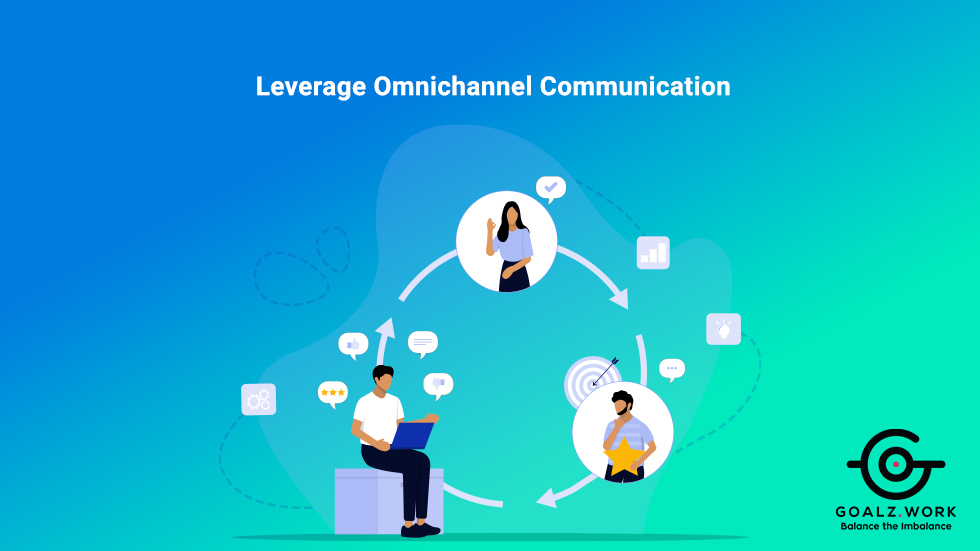
Customers interact via email, chat, social media, phone, and more. An omnichannel strategy ensures consistent experiences across all. CRM systems like Zendesk unify these channels, allowing reps to view full interaction histories.
Train teams to switch seamlessly between channels without losing context. For instance, if a query starts on Twitter, continue it via email with all details intact. This minimizes frustration and speeds resolution. Measure success through metrics like first-contact resolution rates. Omnichannel approaches can improve customer satisfaction scores by 15-20%. At Goalz.Work, we recommend setting channel-specific goals to optimize response times and personalize replies.
4. Build a Customer Feedback Loop
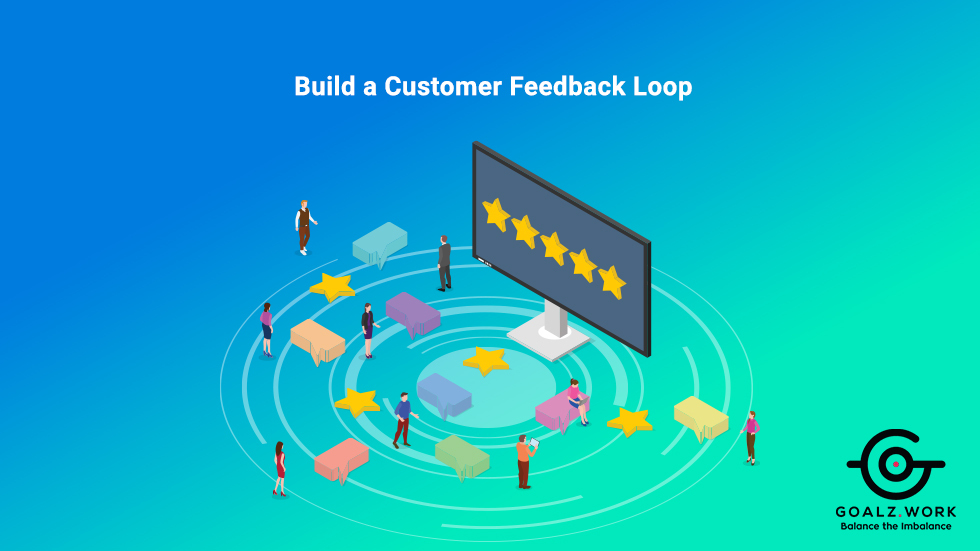
Feedback is gold for improvement. Establish a continuous loop where CRM teams solicit, analyze, and act on input. Use surveys, post-interaction, NPS scores, and in-app feedback tools.
Categorize responses in your CRM to spot trends, like common pain points in onboarding. Share insights with product teams for iterative enhancements. Close the loop by informing customers how their feedback led to changes—this builds advocacy. Aim for quarterly reviews of feedback data. Effective loops can boost retention by 10-15%, as customers feel heard. Integrate this into your goal-setting framework for measurable progress.
5. Prioritize Customer Segmentation
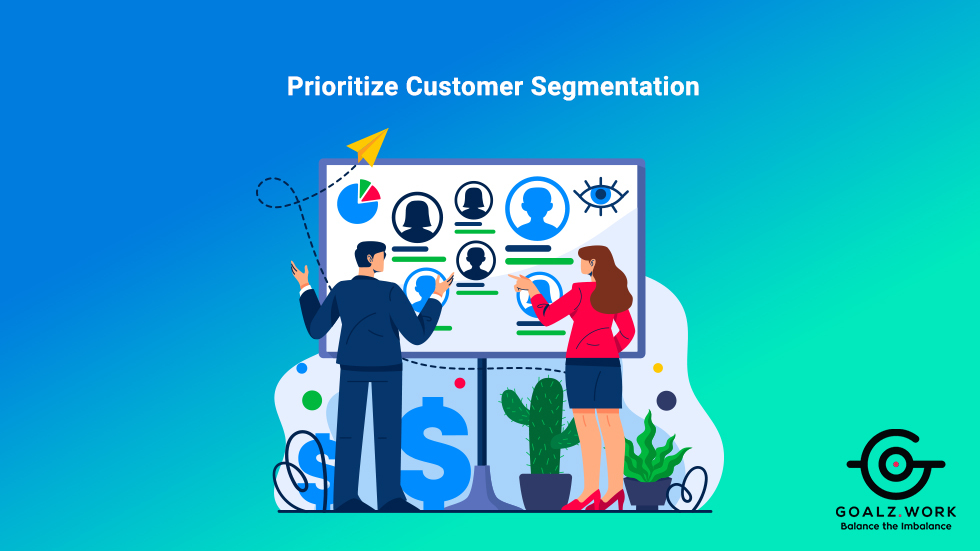
Not all customers are equal; segmentation allows targeted strategies. Divide your base into groups like new users, loyalists, or at-risk churners using CRM filters.
Tailor communications accordingly—nurture leads with educational content, upsell to loyals with bundles. Advanced CRM platforms use machine learning for dynamic segments. This precision marketing can increase conversion rates by 20%. Track segment performance in dashboards and adjust based on ROI. Segmentation ensures resources are allocated efficiently, maximizing impact.
6. Enhance Team Training and Empowerment
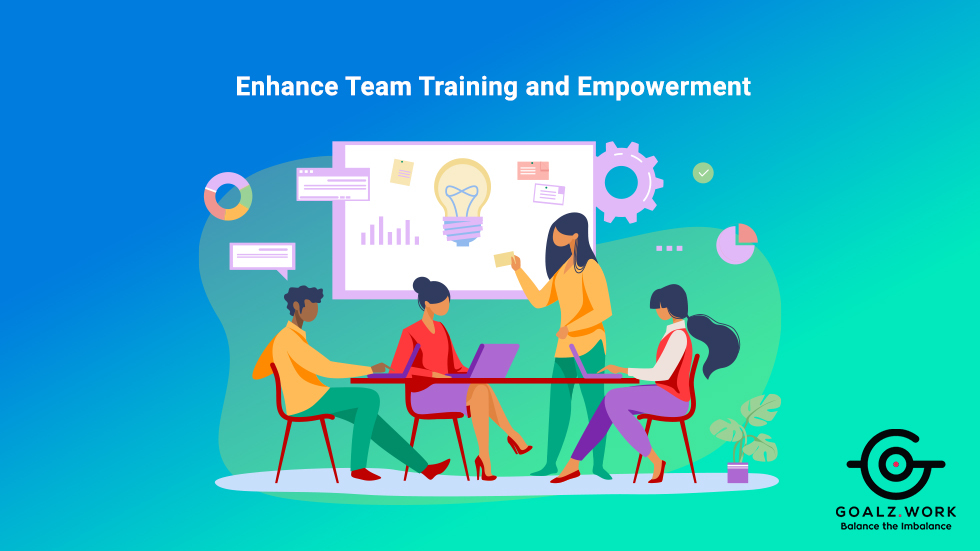
A skilled CRM team is your best asset. Invest in ongoing training on tools, soft skills, and industry trends. Role-playing scenarios for handling objections or escalations builds confidence.
Empower reps with decision-making authority, like offering discounts without manager approval up to a limit. This speeds resolutions and improves morale. Use CRM gamification features to set training goals and reward achievements. Well-trained teams can reduce average handle time by 15% while increasing satisfaction. At Goalz.Work, we advocate for personalized learning paths tied to individual goals.
7. Integrate AI and Automation
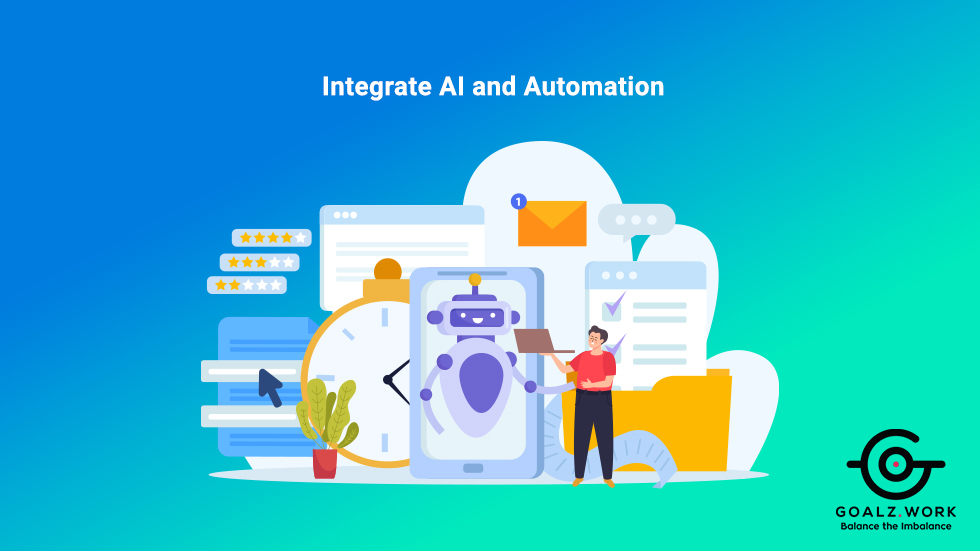
AI transforms CRM by automating routine tasks, freeing teams for high-value interactions. Use chatbots for initial queries, automated workflows for lead scoring, and AI insights for next-best actions.
For example, predictive dialing in sales CRM reduces idle time. Ensure human oversight to maintain authenticity. Automation can cut operational costs by 30% and improve accuracy. Set AI adoption goals, monitoring metrics like error rates. This strategy scales efficiency without sacrificing personalization.
8. Focus on Customer Retention Metrics
Acquisition is costly; retention is profitable. Track key metrics like churn rate, customer lifetime value (CLV), and repeat purchase rates in your CRM.
Implement retention campaigns, such as loyalty programs or win-back offers for inactive users. Analyze why customers leave through exit surveys. Reducing churn by 5% can increase profits by 25-95%. Use Goalz.Work tools to set retention targets and visualize progress, ensuring sustained focus.
9. Cultivate Cross-Functional Collaboration
CRM isn’t siloed—collaborate with marketing, sales, and support. Shared CRM access ensures aligned efforts, like marketing handing off qualified leads seamlessly.
Hold regular sync meetings to discuss customer insights. This holistic view prevents gaps, such as duplicate outreach. Collaborative teams see 20% higher win rates. Establish joint goals to foster accountability and innovation.
10. Ensure Data Security and Compliance
Trust is foundational; protect customer data with robust security. Comply with GDPR, CCPA, etc., by anonymizing data where possible and training on privacy.
Use CRM features like role-based access and audit logs. Breaches can erode trust overnight—proactive measures prevent this. Secure practices enhance reputation, leading to higher loyalty. Set compliance goals to audit systems quarterly.
11. Adopt Agile CRM Processes
Agility allows quick adaptation to market changes. Implement scrum-like sprints for CRM projects, such as rolling out new features.
Break down tasks into manageable goals, reviewing progress weekly. This flexibility helps respond to customer feedback rapidly. Agile teams can launch campaigns 30% faster. Use Goalz.Work for agile goal tracking in CRM contexts.
12. Personalize Customer Onboarding
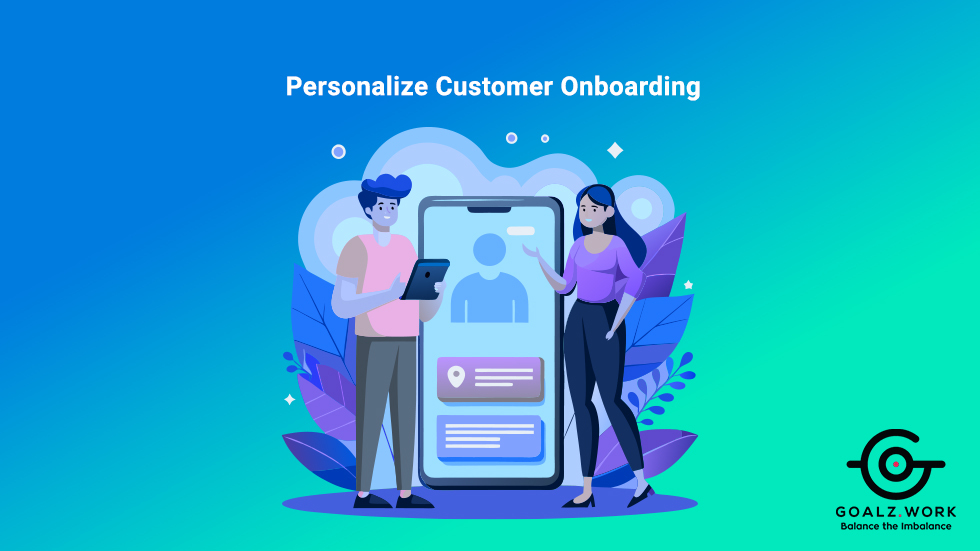
First impressions matter. Customize onboarding based on customer type—quick tutorials for tech-savvy users, detailed guides for others.
Use CRM to track onboarding milestones and send timely nudges. Personalized paths reduce time-to-value, cutting early churn by 20%. Measure completion rates and refine processes iteratively.
13. Utilize Social Listening Tools
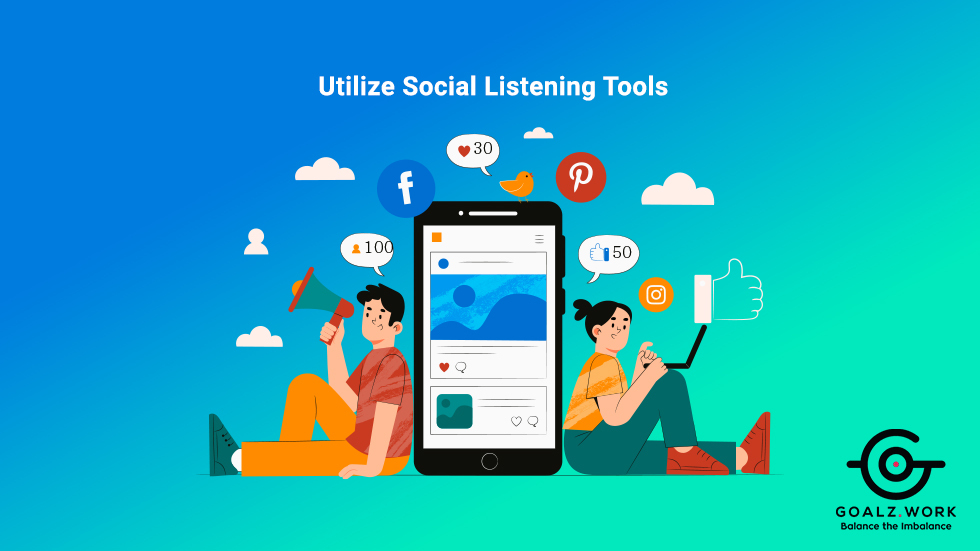
Monitor social mentions to gauge sentiment and respond promptly. Integrate tools like Hootsuite with CRM for unified tracking.
Address complaints publicly to show responsiveness, turning negatives into positives. Social listening can uncover opportunities, like trending needs. Teams using it see 15% better engagement. Set listening goals to cover key platforms.
14. Develop Customer Success Roadmaps
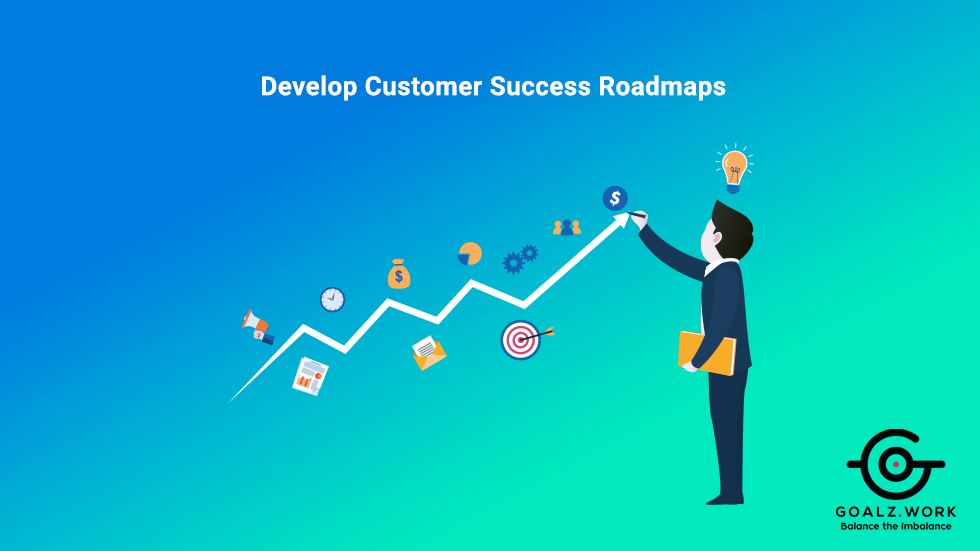
Map out success paths for customers, outlining milestones and support needed. Share these via CRM portals for transparency.
Regular check-ins ensure alignment, adjusting for changes. Roadmaps increase upsell opportunities by 25%. Tie them to goal-setting for mutual accountability.
15. Optimize Self-Service Options
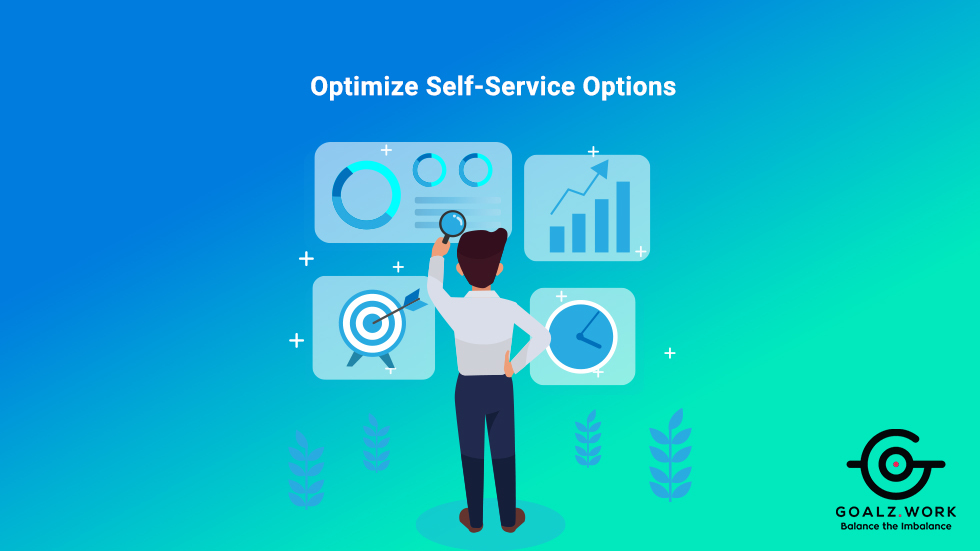
Empower customers with knowledge bases, FAQs, and chatbots. CRM integration tracks usage to identify gaps.
Well-designed self-service reduces support tickets by 40%, freeing teams. Analyze queries to improve content. This strategy enhances satisfaction through convenience.
16. Measure and Improve Customer Journey Mapping
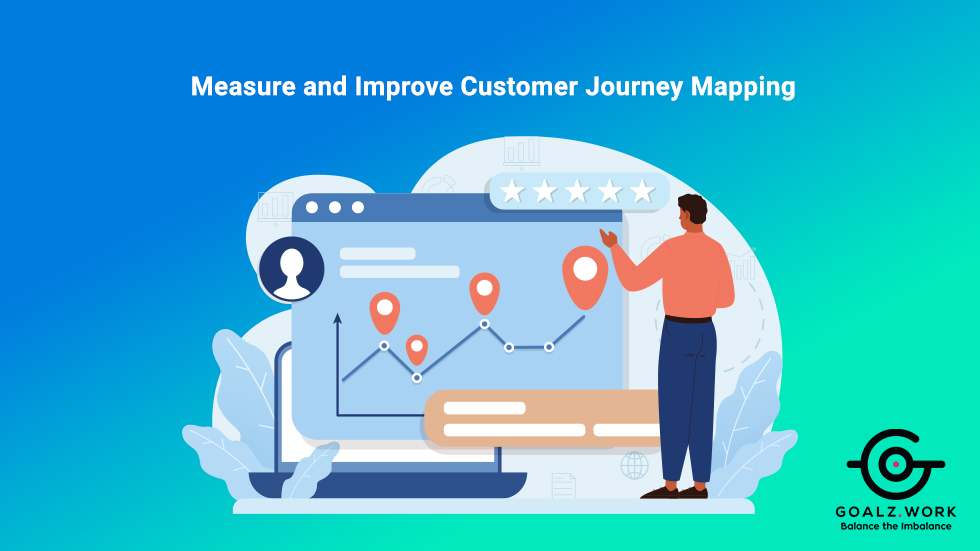
Visualize the end-to-end customer journey in your CRM. Identify bottlenecks, like long wait times, and optimize.
Gather data from all touchpoints for accurate maps. Iterative improvements can boost conversion by 15-20%. Use Goalz.Work to set journey optimization goals.
17. Encourage User-Generated Content
Leverage satisfied customers for advocacy. Prompt reviews or case studies via CRM-triggered emails.
Showcase UGC on your channels to build social proof. This amplifies reach organically, increasing trust. Programs can generate 20% more leads. Track participation and impact.
18. Implement Predictive Analytics for Upselling

Forecast buying behaviors using CRM data. Recommend products based on patterns, like suggesting accessories post-purchase.
Timing is key—use automation for relevance. Predictive upselling can raise revenue by 10-30%. Monitor acceptance rates to refine models.
19. Promote Ethical AI Use in CRM
As AI grows, ensure transparency and bias-free algorithms. Document AI decisions in CRM for accountability.
Educate teams on ethical guidelines. Ethical practices foster long-term trust, avoiding backlash. Set ethics review goals for AI implementations.
20. Continuously Innovate with Emerging Tech
Stay ahead by exploring VR for virtual demos or blockchain for secure data sharing. Pilot integrations in CRM.
Gather team input for adoption. Innovation keeps you competitive, potentially increasing market share. Use Goalz.Work to track tech adoption goals.
Conclusion: Elevating Your CRM Game
Implementing these 20 strategies can revolutionize your CRM team’s approach to customer management. From personalization and proactive engagement to ethical AI and innovation, each tactic builds on the others for a cohesive, customer-centric operation. Remember, success lies in execution—start small, measure results, and scale.
At Goalz.Work, we’re committed to helping you achieve these goals. Our platform offers intuitive tools for setting CRM objectives, tracking progress, and collaborating seamlessly. Sign up today to transform your customer management efforts and drive unparalleled growth.
What strategies will you implement first? Share your thoughts in the comments below!
Recent Comments